Our Origin Story
We are Quickhatch. Here’s what that word means, and what it says about how we build.
We’re a software studio with a simple model: build things, sell them straight to the people who use them, and charge a clear price for it. No ads. No selling your data. No “free” tier quietly paid for by something else. That might sound simple, but it’s the truth.
So why “Quickhatch”?
The Toledo War
In 1835, Michigan and Ohio nearly came to blows over a thin strip of land near present-day Toledo. Both claimed it. Both sent militia. History remembers it as the Toledo War, though hardly a shot was fired and the only bloodshed was a single non-fatal stabbing.
During the standoff, Ohioans took to calling their northern neighbors “wolverines”: greedy, scrappy, stubborn, unwilling to back down from a fight they were probably going to lose. It was meant as an insult.
Michigan lost the strip. As a consolation prize, they acquired statehood and the Upper Peninsula, which turned out to be the far better end of the deal: the UP held some of the richest copper and iron ore in the country, plus timber to match, and it repaid the lost strip many times over. The wolverine name stuck. By the time Michigan became a state in 1837, it was the state’s animal.
The wolverine
The wolverine has collected a lot of names over the years: skunk bear, glutton, carcajou, and, our favorite, quickhatch, from the East Cree word kwiihkwahaacheew.
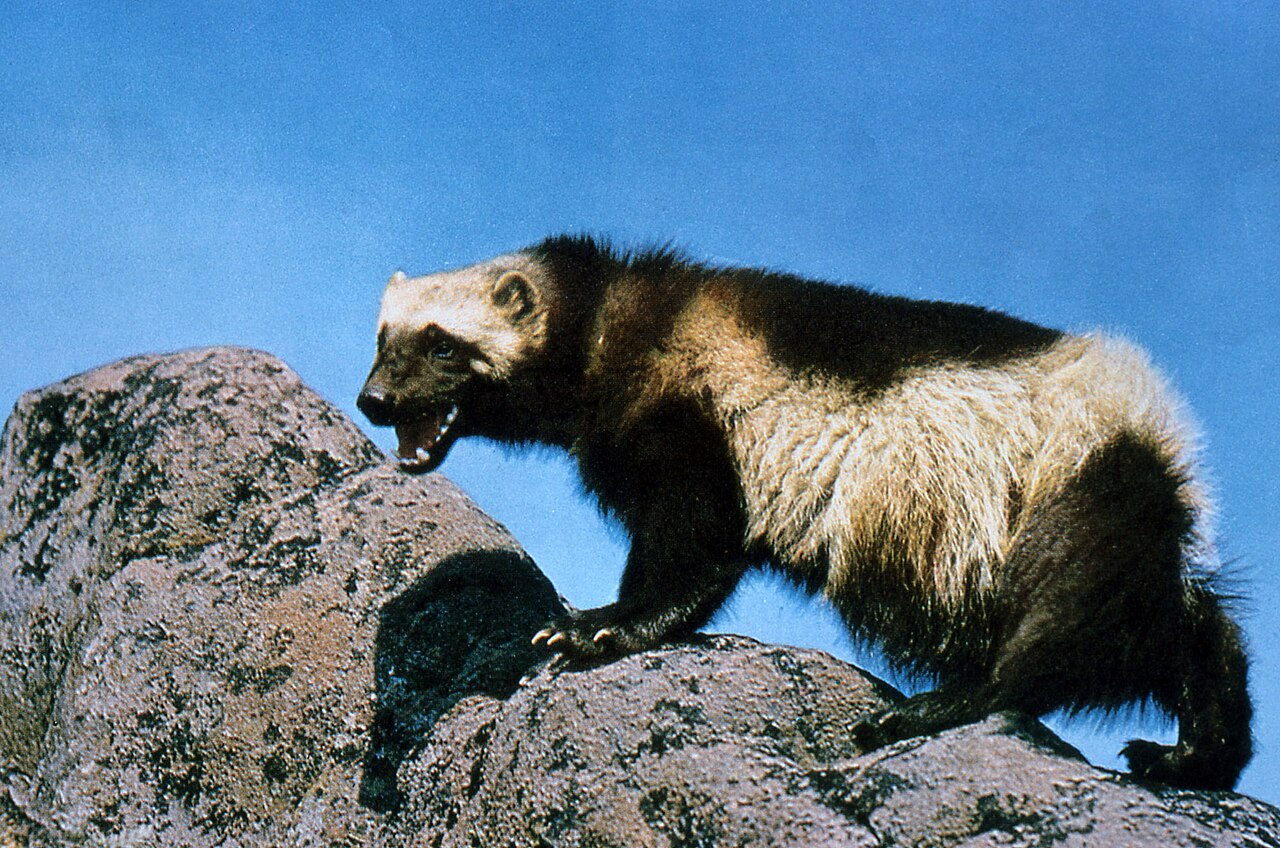
A wolverine is small. It looks like a bear, yet rarely tops forty pounds. It lives alone in some of the harshest country on the continent, ranging across territories that stretch for hundreds of square miles, covering thirty or forty miles in a day on wide, snowshoe-like paws. It isn’t fast, and it doesn’t hunt in packs. What it has is endurance and nerve.
It eats what the land offers: hunting what it can, scavenging the rest, cracking frozen bone with a jaw built for the job, caching food away for leaner days. And for its size, it is bold. A wolverine will walk up on a carcass that a wolf pack or a bear is already working and try to drive them off it without flinching.
Small, self-sufficient, relentless, unbothered by long odds. That’s the animal. And that’s the company we want to build.
What we stand for
Quickhatch is founded on four ideals that we believe are endemic to quality software:
Independence. We’re bootstrapped and self-funded. We chase profit, not revenue, and we’re fine with slower, sustainable growth if it means we answer to our customers and no one else.
Guts. We endure. When in doubt, we gut it out. We’ll stay on a hard problem as long as it takes to solve it.
Craft. We build products we use ourselves, from the ground up. No slop, no cut corners. If our name is on it, it’s built to last.
Earnestness. We want to build great products that people love. That’s it. No tricks, no clever angles, just direct goals pursued in earnest.
This is our first post, and the start of the whole thing. We’ve got products to build and a long way to go, and we’d like the company.